

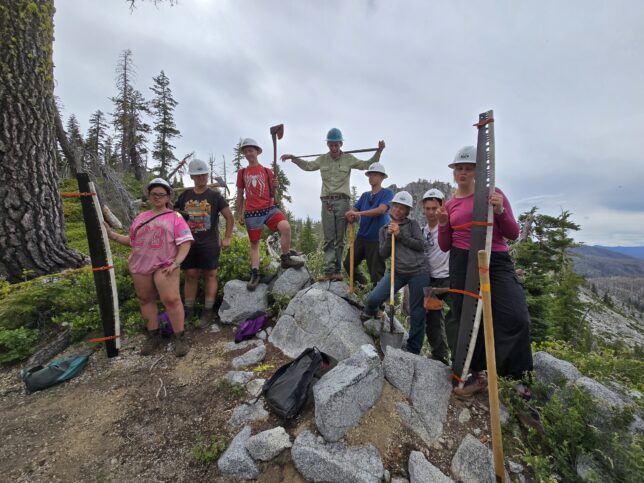
Profound, as cliché as it is, is the word that comes to mind when I think of what happens to teens when they come on an Ascend Wilderness Experience stewardship trip. From the curiosity on day one to the perseverance by the trip’s end, the change and transformation of character is not only visible, but it is also inevitable.
June 20th saw the trip’s pack meeting with the kids arriving on time with readiness in their eyes and the unknown before them; they got all their gear loaded up, packed, and the basics of the trip were explained without incident. The group went their separate ways until the morning.
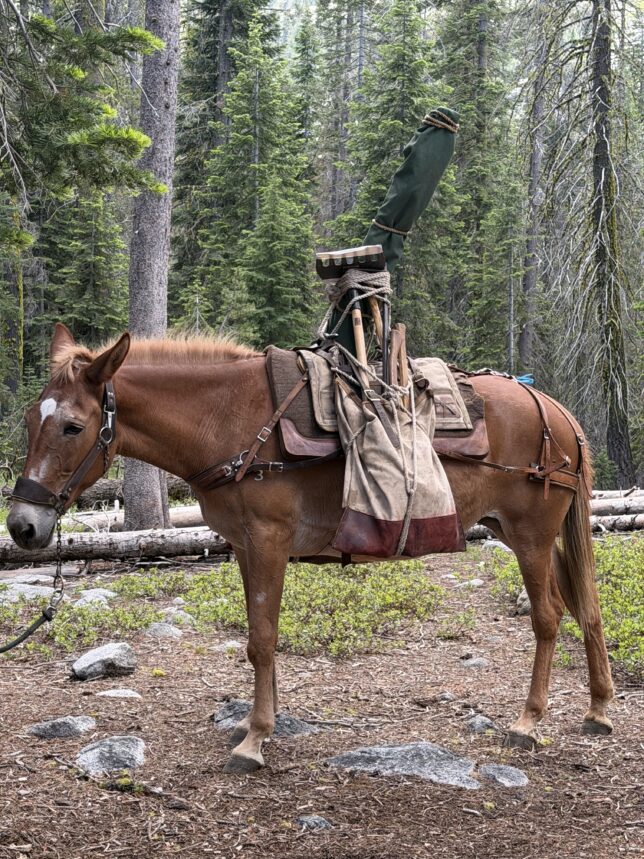
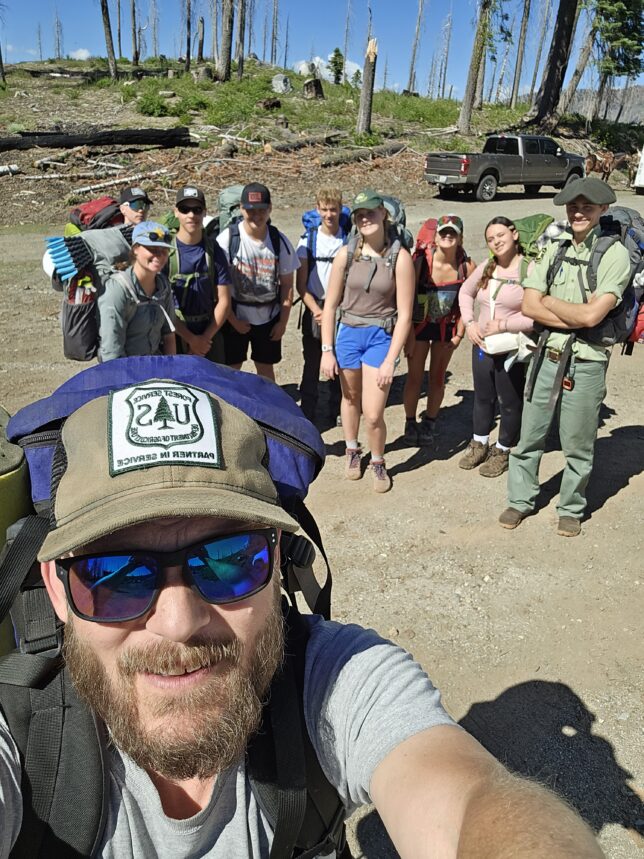
June 21st at 7 am, the journey commenced. USFS representative from Shasta-Trinity, Aidan, joined the teens and guides for the week to incorporate wilderness patrol lessons and to help guide the direction of the trip and team. The guides, the USFS rep, and the teens headed up Highway 3 North to the Boulder Lakes trailhead near Coffee Creek, California. Upon arriving at the trailhead, the teens prepared for the incoming mule team provided by the Back Country Horsemen of America; the mules and volunteers provided the transportation for tools, food, and supplies for the teens in the wilderness area. Without the BCHA, these trips wouldn’t happen; they are a key component in keeping our trail systems open. Upon arrival at the camp, the teens set up their tents and established a defined kitchen area along with a bear hang. The rest of the afternoon was spent setting camp up, gathering firewood, collecting water, and everyone’s favorite, digging a latrine. Once camp was set up, expectations were outlined along with the goals for the trip, which at that time seemed like an impossibility.
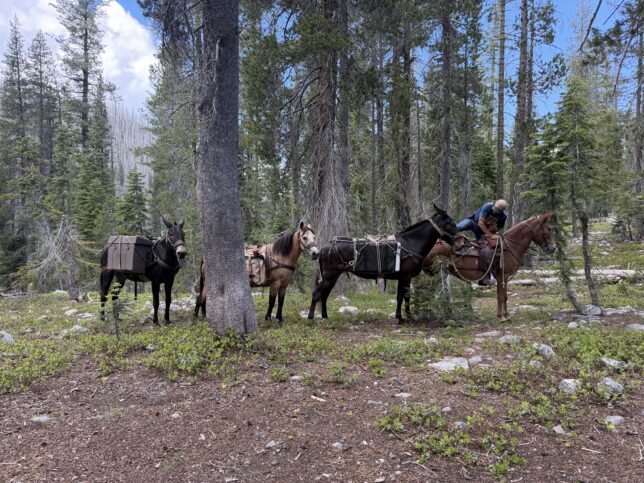
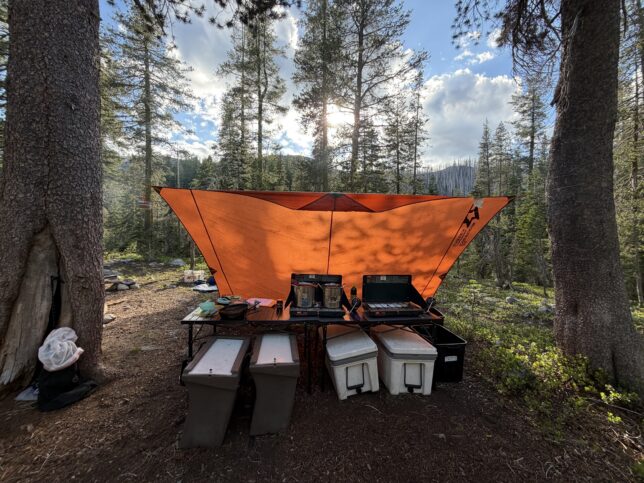
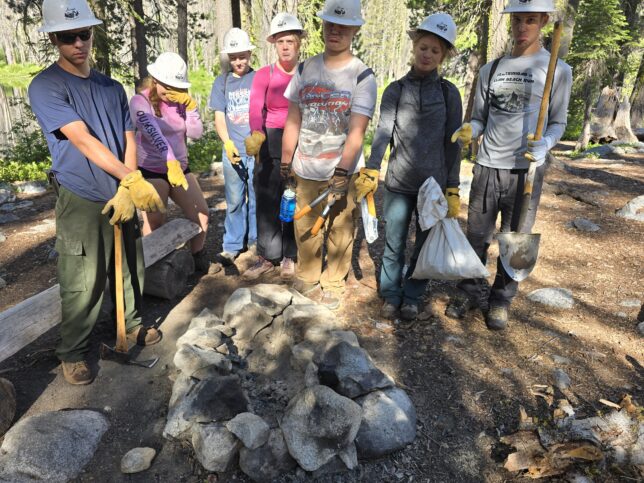
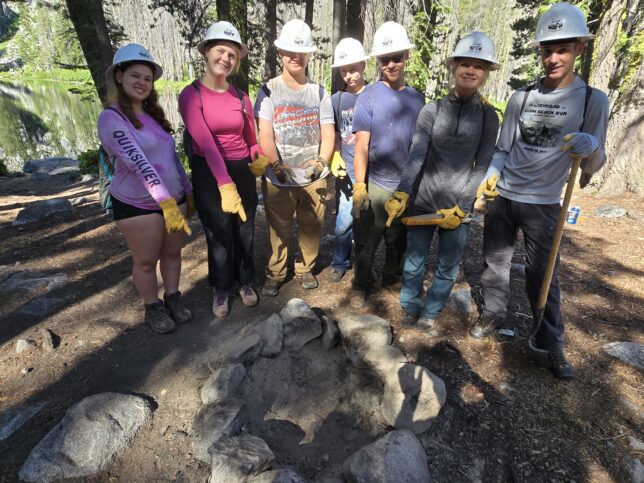
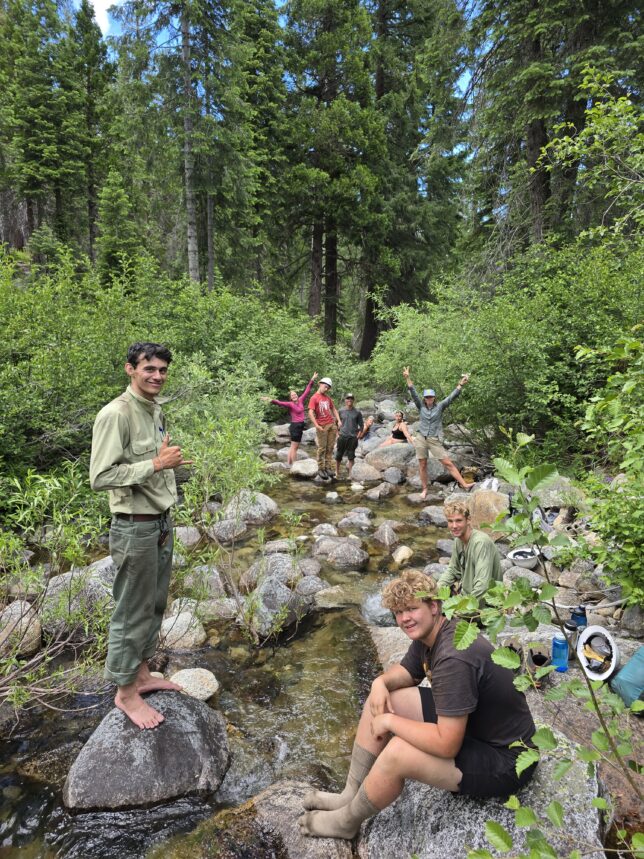
June 22nd, camp was awakened at 6 am for the start of warmth around a burgeoning campfire, leading to warm hot cocoa, coffee, and tea. The breakfast bar was released along with the sandwich bar, hinting that the start of work was near. Once sandwiches for lunch were made, the group naturally gathered in a circle, commencing the morning’s stretch/exercise circle--a tradition that quickly became part of the rhythm of camp. After a brief discussion on what was expected that day and a bit of fitness, the group was ready to embark on a day centered around wilderness patrol duties such as: cleaning campfire rings, deleting improper campsites, collecting garbage, and removing camp “furniture”. This, of course, would result in getting a few logs off the main trail and some swimming too. The team descended onto the campsites around Boulder Lake at first, where they removed ash, garbage, and some residual burnt wood from campsites while also realigning campfire rings and generally making them smaller as per USFS parameters. After removing a very large campfire ring that was in an inappropriate place, the team headed back towards the trailhead to remove a few massive very-in-the-way logs that required numerous people to be pushed off the trail. After removing the logs, the team headed towards Little Boulder Lake to clean more campsites and to dip their proverbial toes in the water. For the second year in a row, a hot bed of coals was found in a campfire ring while the teens were participating in wilderness patrol duties; this year it was at Little Boulder, last year multiple hot campfire rings were found at “Big” Boulder Lake. The coals were sequestered with the use of our safety hard hats and the availability of the lake water while simultaneously teaching a valuable lesson: that only you can prevent a forest fire. Once the worry was out of the way, the team proceeded to swim to their heart’s content while exploring salamanders and rocks to jump from. The hike back was a reminder that the real work is to come, but first, dinner.
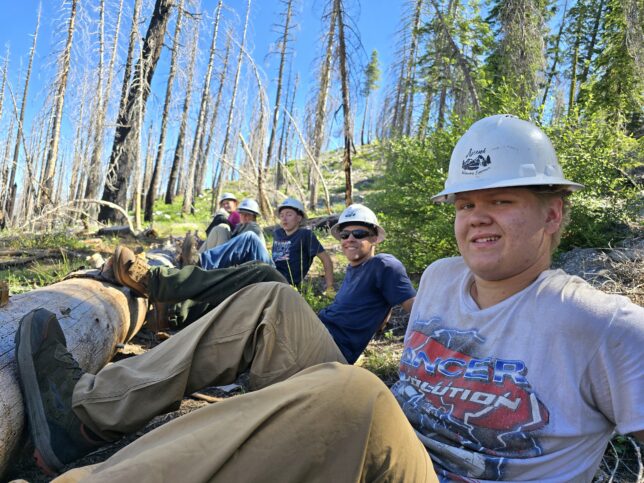
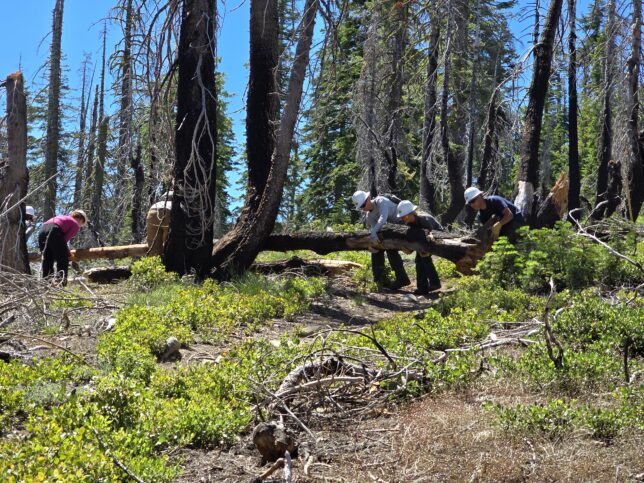
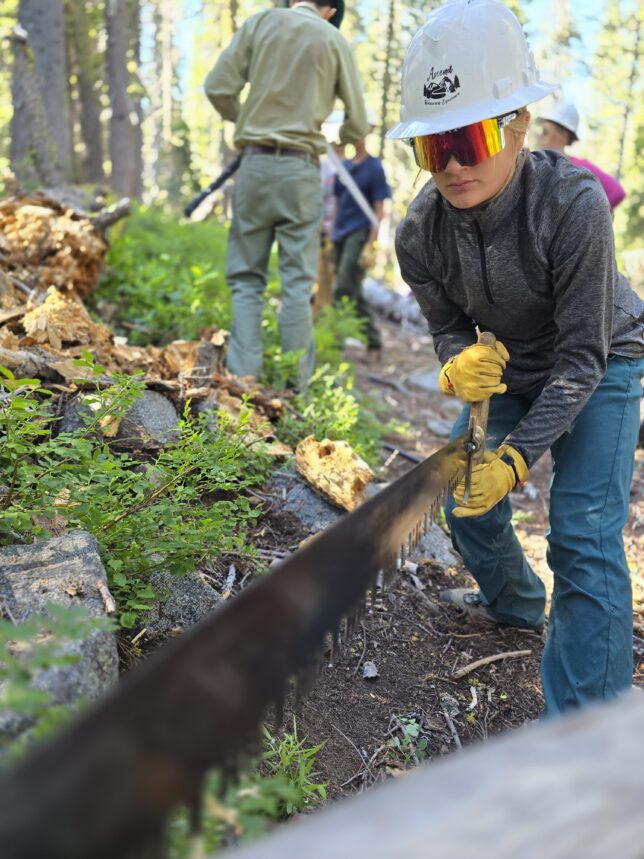
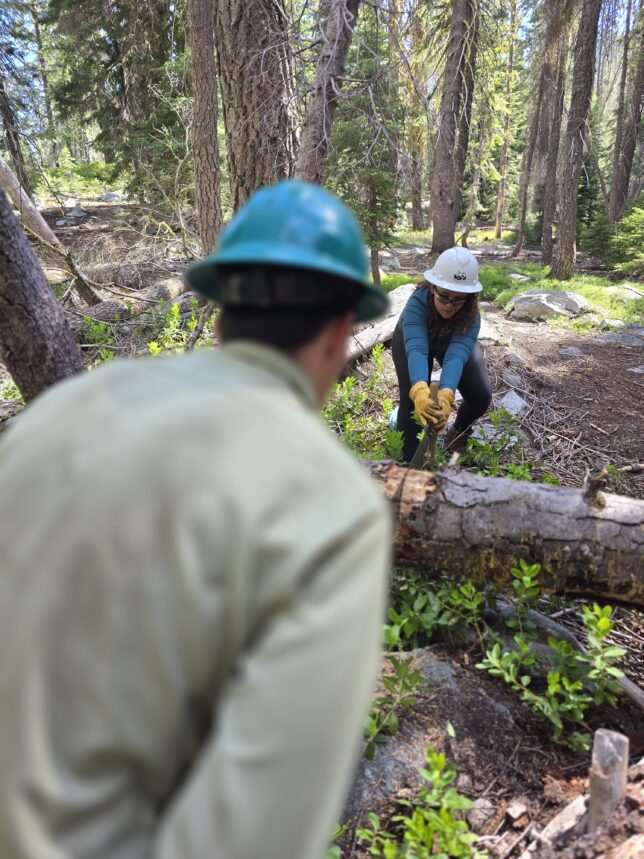
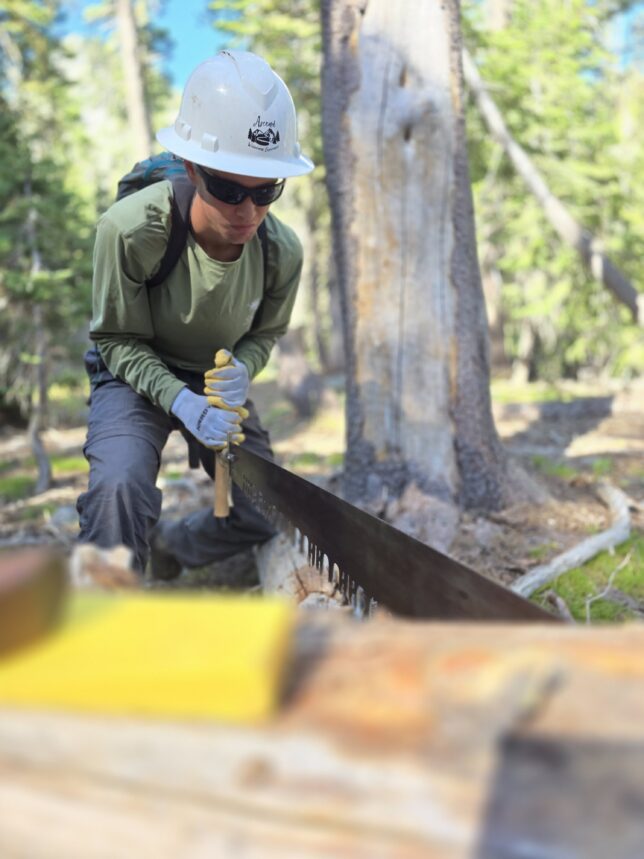
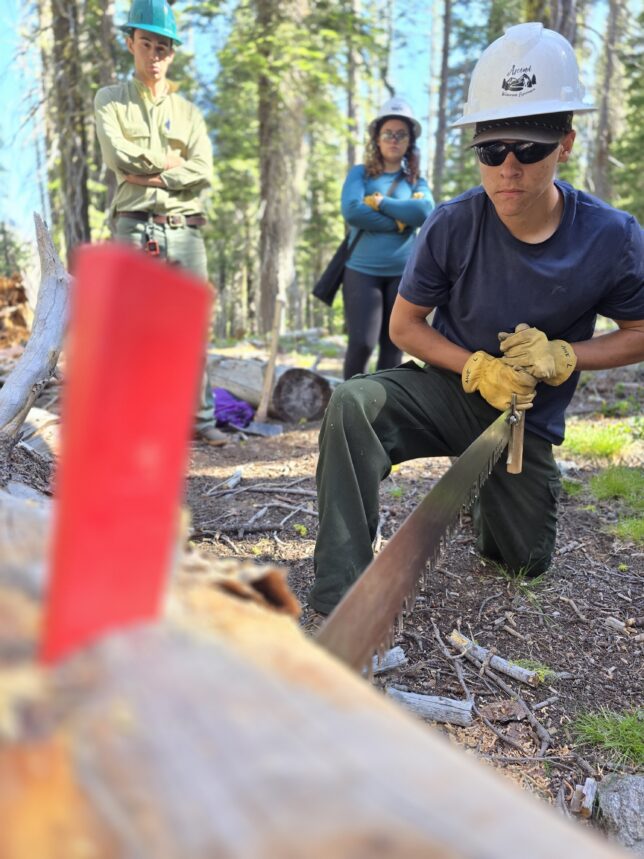
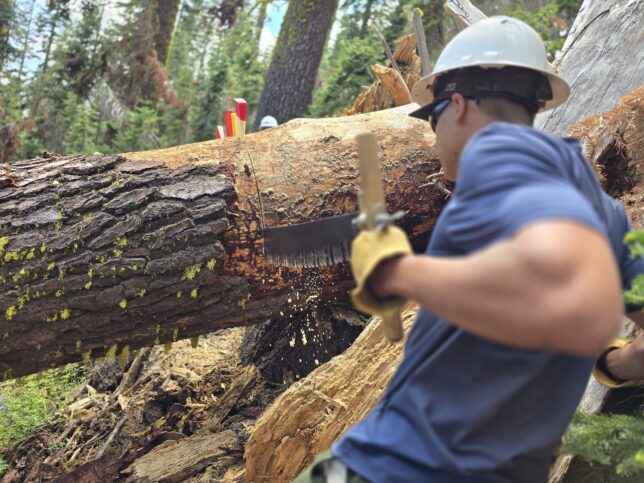
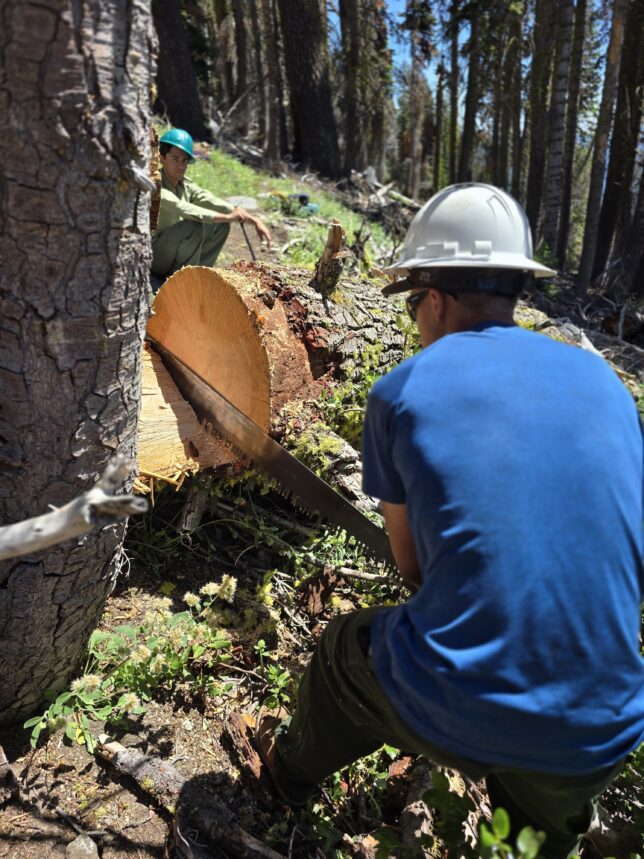
June 23rd breakfast was had, lunches were made, and the exercise circle closed up. The team was ready to head up the Tracey Trail, which connects Boulder Lake to Poison Canyon. It is a historic trail that has the feel of it being built for mules rather than people. It is a steady uphill push that sees about 1000’ in elevation gain in about a mile. The trail had dozens of downed trees over it, requiring the team to de-stobb, which is the removal of branches and stobs from trees to cut and roll them out of the way. Numerous lessons were taught to the teens by the guides about crosscut use, safety, and how to swing an axe and not to swing an axe. The team became cohesive quickly, almost as quickly as the saw ripped the trees apart, opening the trail one step at a time. Upon reaching the Tracey Trail saddle where the trail starts to work into the Poison Canyon trail system, the team had lunch and took in the views of Mt. Shasta and Mt. Lassen in the Cascades. The views into Poison Canyon were hampered by a large Red Fir die-off as a result of a myriad of issues such as mistletoe infections, insect infections, and drought. This didn’t stop the team from completing the goal, which was to finally open the Tracey Trail so that it can tie into the clearing of Poison Canyon this fall on Ascend’s adult stewardship planned for September. The team exhausted their time and energy and stashed the tools so that they could come back on June 25th after their planned day off. Dinner, campfire games, and sleep would be the intro for tomorrow.
June 24th wasn’t your average work day for the team; in fact, it was anything but. The teens voted to explore Tapie, Lost, and Found Lakes while also exploring an infamous unnamed peak that we call “No-Name Peak”. After breakfast and lunch prep, everyone headed up the granite walls that define Boulder Lake’s backdrop. The first face was about 400’ in elevation and brought the group up to Tapie Lake, a mediocre, burned-out, slightly larger-than-a-pond lake, actually more of a series of small ponds. The group continued up the second granite face, this one more intimidating than the last; with the teens dictating the direction, they casually traversed up, eventually reaching Lost Lake, another slightly disappointing lake that pushed the team to continue onward to Found Lake. Upon arriving at Found Lake, the water was perfect, the lake was beautiful, and swims were made. Everyone was happy. With No-Name Peak in view, the excitement was building, and the teens couldn’t stop talking about the impending views. As everyone dried off and readied themselves for the hike up, the anticipation continued to build. The group followed up a dry spring that led them into the saddle, which is a 7000’ divide fostering Fox Tail pines and views of the inner Alps separating a small meadow-filled draw from Boulder, Tapie, Lost, and Found Lakes. The saddle only fueled the fire to push the group higher upon the granite monolith that is No-Name Peak. The push up only quantifies the difficulty as it requires clambering over boulders, dodging leg-scrubbing manzanita, and a near vertical ascent at the final push. Once everyone was at the top, the views were near 360 with views into the heart of the Alps, Mt. Shasta was sticking out like the sore thumb that it is, and of course to the south Mt. Lassen and the continuation of the Central Valley. After lunch was digested and views were exhausted, everyone decided to head down into the opposing drainage, which is a small meadow-filled gully once carved by a glacier but today filled with ancient Red Firs that tower over the spilled granite from the monolith's South face. That spilled granite is essentially a massive boulder field that requires patience and all four appendages to cross, ultimately bringing the group to a spring and a terminal moraine left from tens of thousands of years ago. Down the hill, relaxed and fed, the group slept.
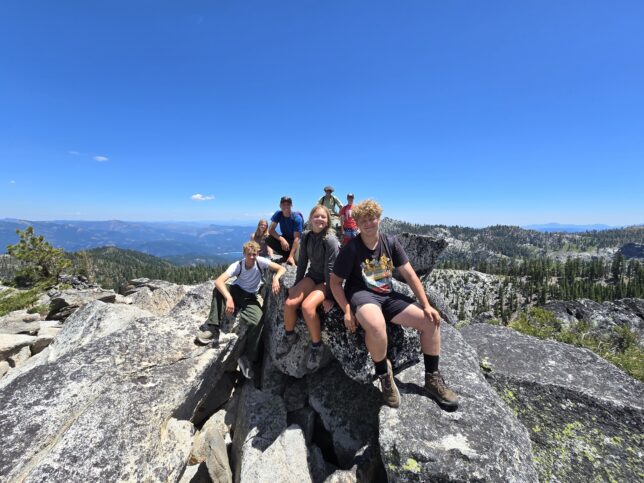
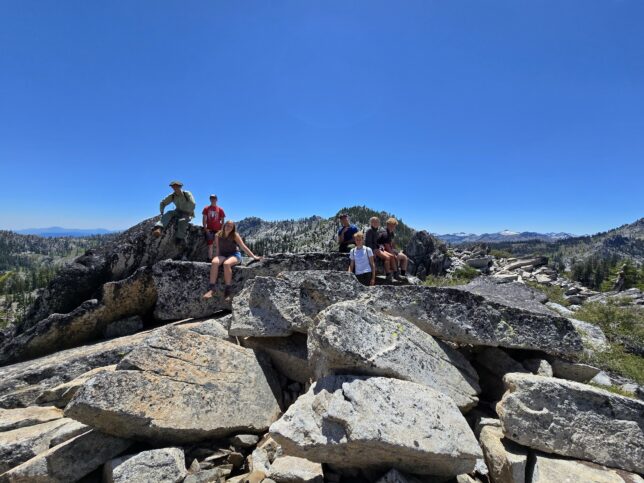
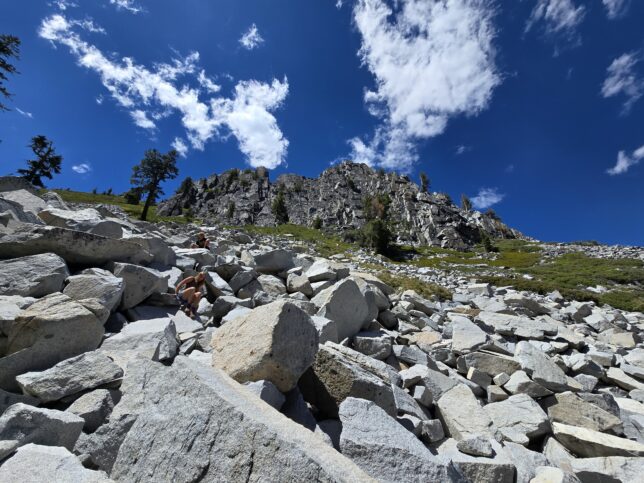
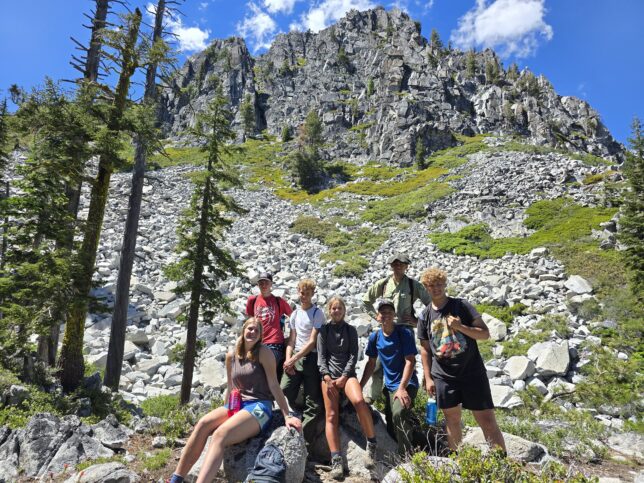
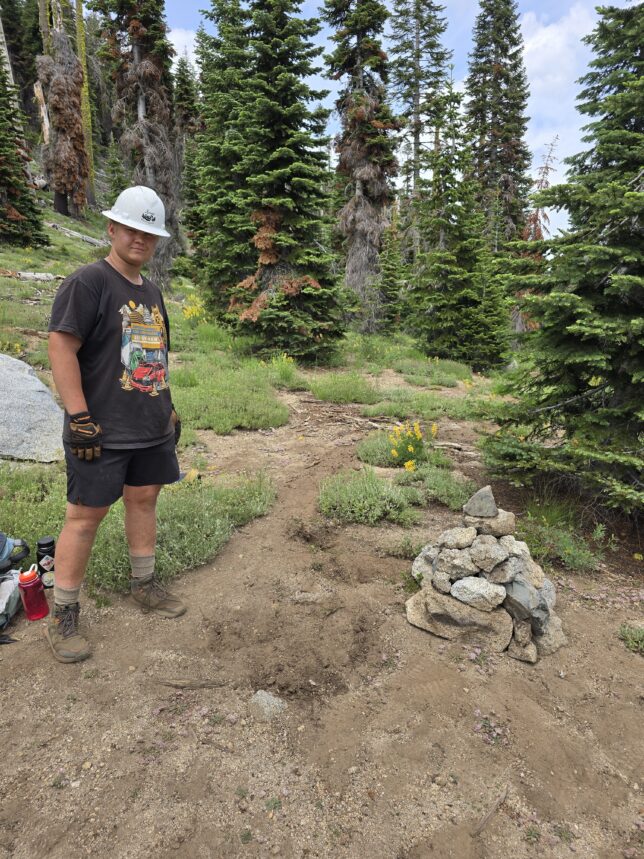
June 25th, breakfast was eaten, lunches were made, and morning fitness was finished. The team headed back up the Tracey Trail to finish where they left off and get the trail open for all. The slog up was real, but everyone made it with the focus on getting some monster Red Firs out of the trail. After a few dozen more trees, the light at the end of the tunnel became real with some minor retreading, rerouting, and de-limbing. A multitude of massive logs were pushed off the trail, creating quite the spectacle for those pushing them. The trail was finally open and the junction finalized with a proper USFS-sized cairn. The team found a spring amongst the hanging meadows near the junction and were able to secure some very cold and inviting water into their bottles before heading back up over the saddle to camp. The team was tired and dirty but ready to take on more. The best part of the day was when the teens started their rhythm of grabbing tools and doing work without direction or being asked; pure dedication coming to fruition, another solid accomplishment. A repeat of relaxing, dinner, and campfire games completed the night.
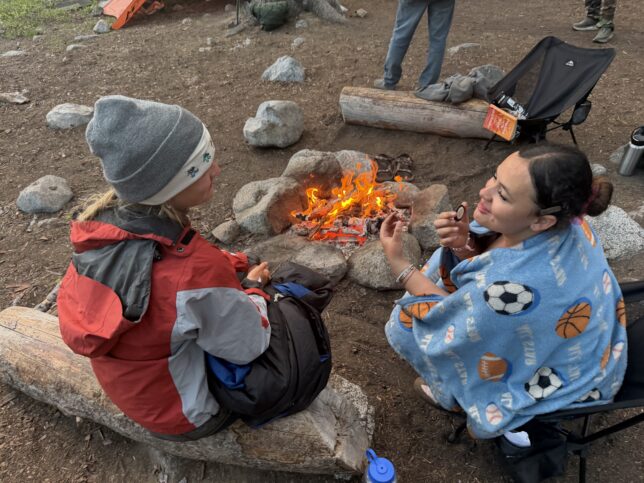
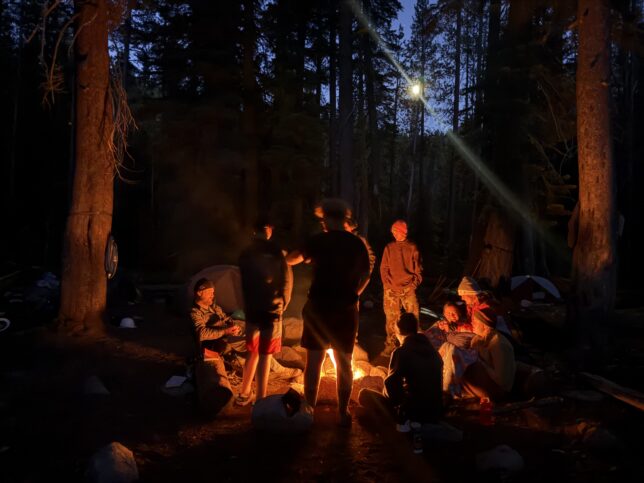
June 26th, everyone had realized the trip was nearing its end. Conversations drifted toward the simple comforts waiting back home, from favorite meals and soft beds to long showers. The discussion became so detailed it reminded me of a Norman Rockwell Thanksgiving painting. Breakfast scarfed down, lunches made, and the fitness circle completed, the goals were outlined: get the Boulder Creek trail open to the Foster Divide Junction. This trail is rather complicated as it traverses through a heavy burn area and heads down about 800’ to a beautiful and mostly spring-fed creek; Boulder Creek. There were dozens of trees over the trail and even one across the Boulder Lake outlet, which is crossed as part of the trail. After removing over 2 dozen logs on the way down, the team hit 101 total logs over the week, tying them with an adult record set earlier this month. After checking the remaining .2 miles of the trail to the junction, the team found 2 more logs, bringing the weekly total to 103, essentially beating the previous year record set by the teens and the recent adult record. Champions of the trail. The break at the creek was splendid between rain sprinkles and sunny breaks; everyone rejoiced and contemplated the 2-mile uphill slog back to camp. The group departed and headed up to relax, enjoy dinner, and a final night of camaraderie. Games were played, laughs were exchanged, and lives were forever altered in the best sort of way.
June 27th, the final day, the pack out, the end. Everyone woke up a little later that day, and breakfast was a smörgåsbord of what was left; lunch was decided to be unimportant as everyone knew ice cream and sandwiches at UpNorth awaited those who practiced patience. Some impromptu quesadillas were made to keep the bellies full. After packing up the kitchen and all the tents and gear, the team waited for BCHA to arrive. Their arrival was quick and early. We barely had time to weigh the panniers, but everyone was ready to complete the final 2 miles back to the trailhead. Once the packers were satisfied, we were told to head back and wait for the packers at their camp to help with loads and finalize the trip. The hike out was fast; it seemed like 30 minutes at best. Everyone arrived quickly, even the packers. It isn’t often that everything runs smoothly like this, so the arrival back in Weaverville came sooner rather than later. Packs were examined, dismantled, and cleaned, then put away. After the tasks were completed, everyone headed over for sandwiches and ice cream, essentially completing a 7-day trip bringing everything full circle. Shortly after, parents arrived, and the teens faded out one by one, leaving the guides to take that breath, resulting in the sigh of relief that everything worked out perfectly and nobody got hurt; the most important thing.
Volunteers, Partners, and Grant Programs:
Ascend extends its gratitude to our wonderful volunteers, the Backcountry Horsemen of California Shasta-Trinity Unit, and our Forest Service partners at U.S. Forest Service - Shasta-Trinity National Forest who made the project possible, and grants like: Community Foundation of the North State, which helped fund our new-to-us van that we used to shuttle volunteers and gear.
This program is funded by the Outdoor Equity Grants Program created through AB 209 and administered by California State Parks, Office of Grants and Local Services.
The National Forest Foundation works on behalf of the American public to inspire personal and meaningful connections to our National Forests. By directly engaging Americans and leveraging private and public funding, the NFF leads forest conservation efforts and promotes responsible recreation. Each year the NFF restores fish and wildlife habitat, facilitates common ground, plants trees in areas affected by fires, insects and disease and improves recreational opportunities. The NFF believes our National Forests and all they offer are an American treasure and are vital to the health of our communities. Learn more at nationalforests.org.
In accordance with Federal law and U.S. Department of Agriculture policy, this institution is prohibited from discriminating on the basis of race, color, national origin, sex, age, religion, political beliefs, or disability. To file a complaint of discrimination, write USDA, Director, Office of Civil Rights, Room 326-W, Whitten Building, 1400 Independence Avenue, SW, Washington, D.C. 20250-9410 or call (202) 720-5964 (voice and TDD). USDA is an equal opportunity provider and employer.